Baby

Newborn Safe-Sleep Checklist: 8 Habits for the First 3 Months
Nobody warns you that the hardest part of newborn sleep is not the waking up. It is the standing over the bassinet at 3 a.m., squinting in the dark, trying to see whether that small chest is still moving. The first three months are a blur of short naps and long nights, and the worry comes free with the package.
You cannot control everything about your baby's sleep. You can control the setup around it. Most safe-sleep guidance comes down to a handful of habits repeated every single time, day and night, whether you are at home, at your mother's house, or in a hotel room. Here is what those habits look like in real life.
Build the Sleep Surface First
Before anything else, get the place where your baby sleeps right. That means a crib, bassinet, or play yard that meets current safety standards, with a firm mattress and a tightly fitted sheet. Nothing else goes in. No pillows, no bumpers, no stuffed animals, no folded blanket under the head.
A firm surface matters because a baby who sinks into soft bedding can end up with their face pressed into it. Press the mattress with your palm. It should barely give. If the sheet feels loose enough to pull up in a fold, it is too loose.
Skip the inclined sleepers, the loungers, and the nests marketed for newborns. If your baby falls asleep in a car seat or a swing, move them to a flat surface as soon as you get home. Long stretches in a seated position are hard on a newborn's airway.
Room-Share, but Keep Separate Beds
The recommendation most pediatricians give is to keep your baby in your room, on a separate sleep surface, for at least the first six months. It makes night feeds easier and keeps your baby close enough to hear a change in breathing.
Bed-sharing is a different thing, and it carries real risk, especially with pillows and comforters in the mix, on a couch or armchair, or if anyone in the bed has been drinking, is extremely tired, or smokes. If you are worried you will fall asleep while feeding in bed, feed in a chair instead, or set an alarm and a plan to move your baby back to the bassinet.
Practical setup for room-sharing: bassinet within arm's reach of your side of the bed, a dim light you can switch on without getting up, and a small basket with diapers and a burp cloth so you are not wandering the house at 2 a.m.
Back to Sleep, Every Sleep
On the back, every time, for naps and nighttime. This is the single most repeated piece of safe-sleep advice for a reason. Newborns who sleep on their backs have a lower risk of sudden infant death syndrome.
Some parents worry about spit-up. A newborn's airway is built so that lying on the back is still the safer position, and if you are concerned about reflux or breathing, ask your pediatrician rather than making the switch to the stomach yourself.
Your baby should get tummy time while awake and supervised, starting with a few short sessions a day. That builds neck and shoulder strength, which is what eventually helps them roll, sit, and sleep in whichever position they choose once they can get there on their own.
Swaddle Correctly, Then Know When to Stop
A good swaddle calms the startle reflex that wakes newborns twenty minutes after they finally settle. Arms down, snug across the chest, hips loose enough that you can fit two fingers between the fabric and your baby's body. Tight around the legs can affect hip development.
Stop swaddling at the first sign of rolling. Watch for your baby pushing up during tummy time, rocking side to side, or rolling onto one side in the crib. For most babies that happens somewhere around the two- to three-month mark, sometimes earlier. A swaddled baby who rolls onto their stomach cannot push back over.
The transition usually goes better than parents expect. Try one arm out for a few nights, then both, then a sleep sack. Expect a few rough nights and keep the rest of the routine identical.
Sleep-Time Habits to Avoid
- Falling asleep with your baby on a couch or armchair. This is one of the highest-risk situations.
- Loose blankets, quilts, and soft toys in the sleep space, even for a "quick" nap.
- Overheating. Dress your baby in roughly one more layer than you would wear, and check the back of the neck rather than the hands, which are often cool.
- Hats indoors during sleep. They trap heat.
- Smoke exposure. Keep the house and car smoke-free, and change clothes if you have been around smoke.
- Bed-sharing when you are exhausted, unwell, or after any alcohol or sedating medication.
One thing you can add rather than remove: offering a pacifier at sleep times once feeding is well established. Many pediatric guidelines suggest it as a low-effort step that may help.
Warning Signs Worth a Phone Call
Trust your gut. If something about your baby's sleep or breathing seems wrong, call your pediatrician, and call emergency services if your baby is hard to wake, has trouble breathing, or turns blue or grey around the lips.
Also reach out if you notice pauses in breathing, noisy or gasping sounds, unusual floppiness, feeding that drops off sharply, or a fever in a baby under three months. These are not things to wait out until morning.
This is general guidance, not a substitute for your own doctor's advice. Babies with reflux, prematurity, or other conditions may need a different plan, and your pediatrician can tailor it.
Your First-Three-Months Sleep Checklist
- Firm mattress, fitted sheet only, nothing else in the sleep space.
- Baby in your room, in their own bed, close to you.
- On the back for every sleep, naps included.
- Swaddle snug at the chest, loose at the hips, and stop at the first roll.
- No couch sleeping, no loose bedding, no overheating.
- Pacifier offered at sleep time if feeding is going well.
- Any breathing change or fever in a newborn: call for advice.
Keep the checklist where you will actually see it, on the fridge or taped inside a cabinet door, and run through it before you hand your baby to a grandparent or a sitter. The habits take a week to become automatic, and then they are simply how your household does sleep. You will still stand over the bassinet at 3 a.m. Most of us do. But you will know the setup around your baby is right, and that makes the watching a little easier.
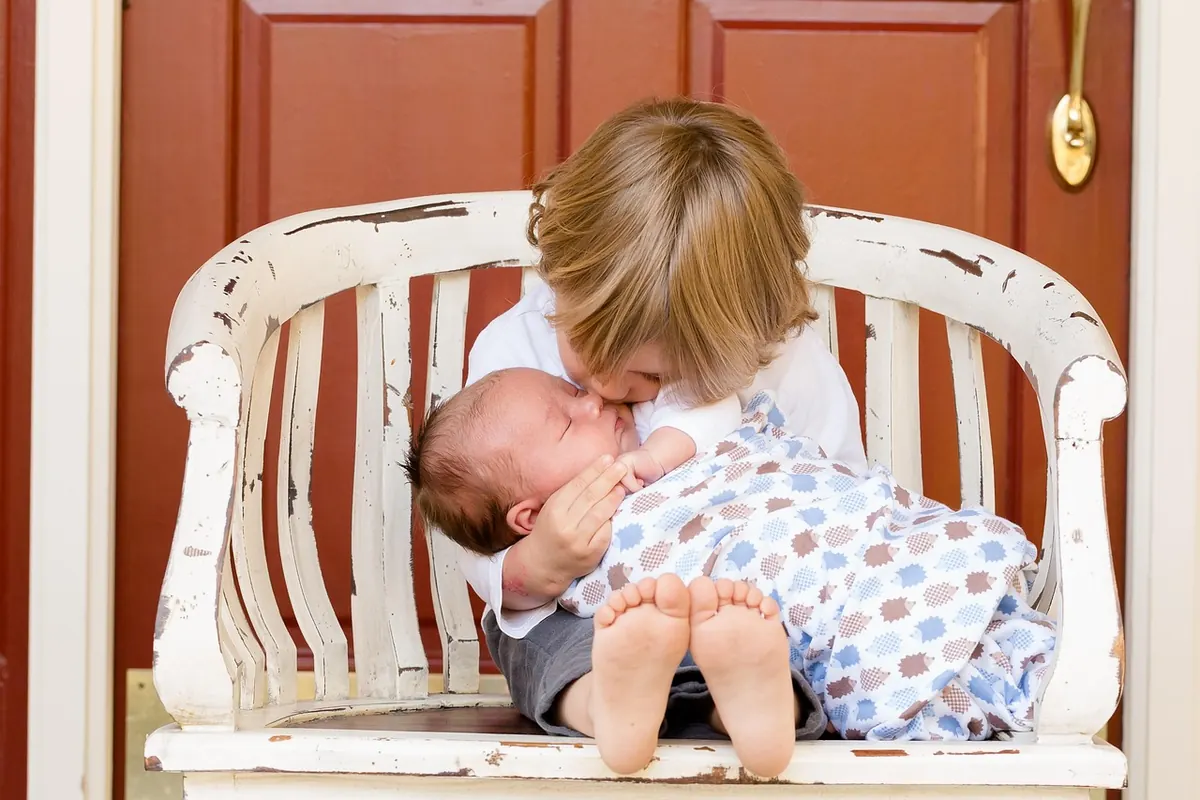
Photo: MD Photography / Pexels
Related Articles